Have a roof problem in Southwest Ohio? Send the address — free inspection.

TOPDOWNPR

Temporary protection after roof damage

Water Coming In? Call Before You Climb.

A tarp can help slow additional water entry until the roof can be repaired. It is temporary, and it only goes on when weather, access, and the structure are safe enough for a crew.

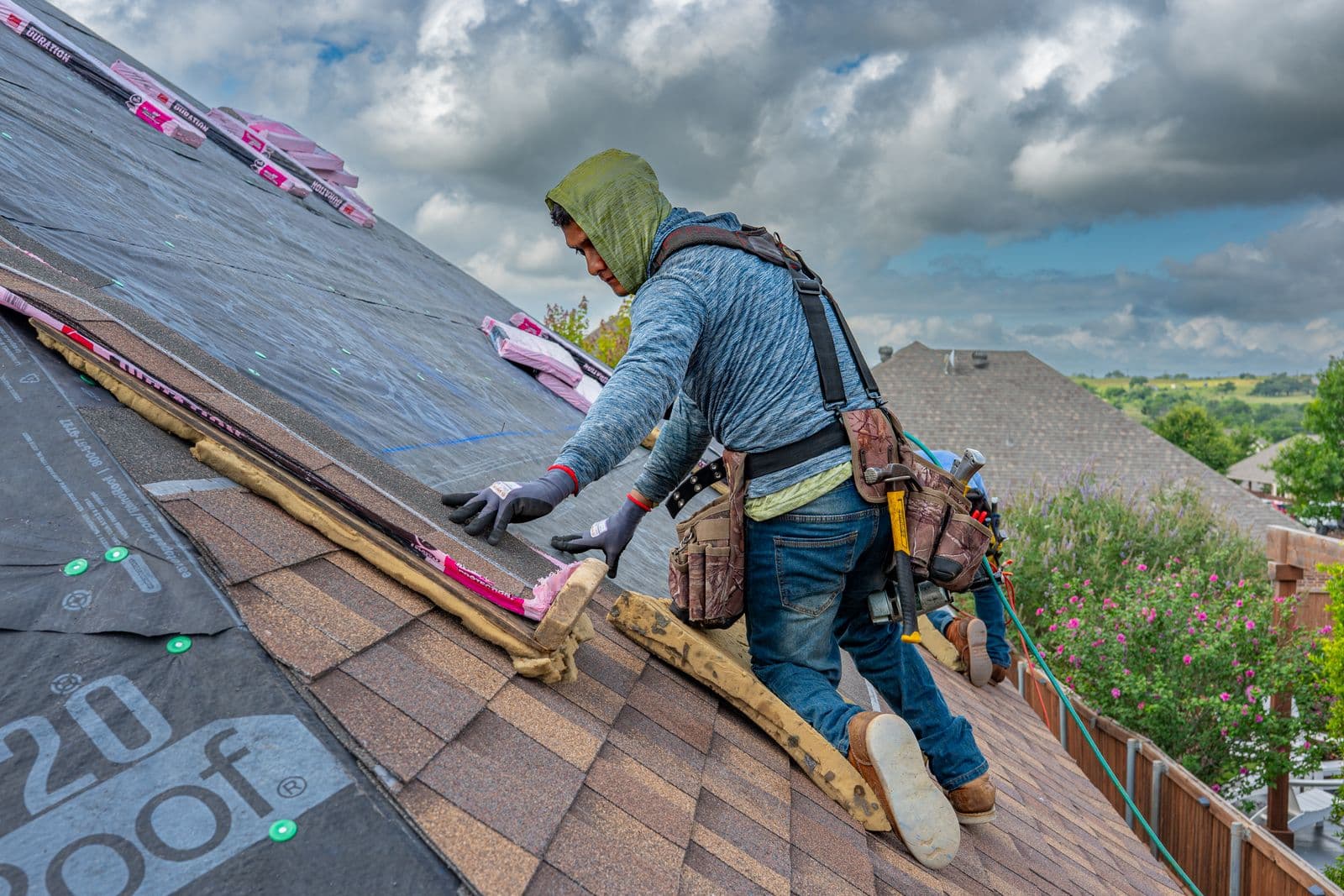
Roofing professional working on an asphalt shingle roof

First, keep everyone off the roof

Temporary protection only happens when the damage can be reached safely.

Call first. If you can safely take pictures from the ground or inside, send those too. They help us understand whether you're dealing with missing shingles, a storm opening, tree damage, or an active leak before dispatch.

We won't put a crew on a roof during lightning, high wind, ice, darkness, active severe weather, or suspected structural failure. Availability and timing depend on your location, call volume, conditions, and safe access.

What we need before dispatch

The address, the damage, the weather, and safe photos if you have them.

  • 01Phone and photo triage before dispatch when possible
  • 02A visible check of the damaged area and access conditions
  • 03The safest practical temporary-protection option
  • 04Photos before and after the temporary work
  • 05A plan for the follow-up inspection or permanent repair

Ways to limit more water entry

The temporary measure depends on the opening and conditions.

A tarp isn't always the safest or most effective option. We choose temporary protection based on the roof and access at that moment.

Temporary roof tarp

Secure a tarp over an accessible area using a method suited to the roof and current conditions.

Temporary weatherproofing

Protect a smaller opening or vulnerable detail when a full tarp isn't the right method.

Before-and-after photos

Document the visible damage and temporary work for your records.

Permanent repair plan

Inspect again after the immediate problem is stabilized and put the permanent construction scope in writing.

Call first for active water

We'll triage the damage, confirm access, and plan the permanent repair next.

Call for an active emergency. Send safe ground-level or interior photos if you have them. Don't climb onto a wet, icy, storm-damaged, or structurally questionable roof.

Emergency service is available across the TopDownPR service area when crews, weather, access, and safety allow. Call to confirm availability for your Southwest Ohio address.

Send safe photos, then call

Tell us where water is entering and what damaged the roof. Never climb up to take a picture.

If water is coming in now, send the form and call. Timing depends on location, weather, safe access, and crew availability.

Emergency tarping questions

What temporary protection can and cannot do

How long can a roof tarp stay up?

Treat it as short-term protection. Wind, sun, fasteners, roof shape, and continued storms all wear on a tarp. Check it after bad weather and schedule the permanent repair as soon as practical.

Can you tarp the roof while the storm is happening?

Not if roof access is unsafe. Lightning, high wind, ice, darkness, structural damage, and active severe weather can require us to wait until conditions improve.

Should I send pictures before I call?

Call first if water is actively entering. Send photos afterward if you can take them safely from the ground or inside. Never climb onto the roof to get a better picture.

Send the property address

Water coming in now? Send the address, then call TopDownPR.

Send the address and tell us what you’ve noticed. Add photos if you can take them without climbing onto the roof.

Schedule My Inspection